The mobile care opportunity
Home-visit care under one clear name
A LiceTreatment home-visit service could combine privacy, practical scheduling, prepared practitioners, and consistent family guidance.
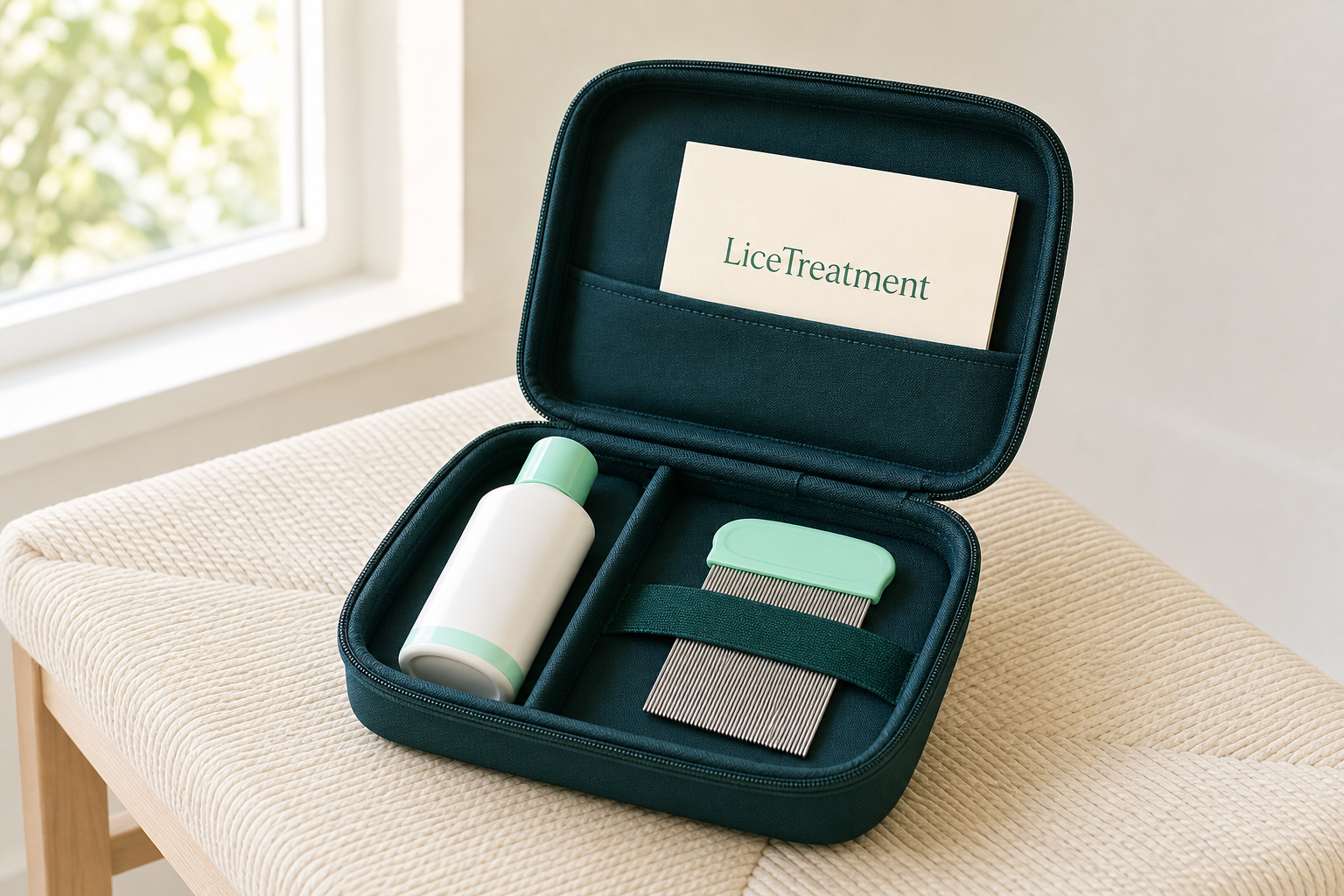
Bring a prepared service to the household
A home-visit model begins with a straightforward promise: a trained practitioner arrives with the time, tools, and communication needed for the booked service. LiceTreatment fits that offer because it gives a parent immediate context before they read a service-area page or choose an appointment. The matching domain can carry the practical details that help a household decide whether the service suits its needs.
The visit can also make coordination easier for larger households. Several family members can be assessed in one familiar setting, and guidance can be explained where follow-up will happen. A well-designed booking flow gathers household size, location, timing preferences, and relevant questions. The confirmation then restates the arrival window, practitioner identity, expected duration, and simple preparation steps in calm language.
Scheduling is part of the customer experience
Mobile care depends on a realistic service map. An operator can begin with compact zones, defined travel buffers, and appointment lengths based on observed work. Route planning should protect the time promised to each household. Automatic updates can confirm a booking and provide arrival information, while a human contact remains available for changes that deserve conversation.
Density creates room for better service. When appointments sit within a manageable area, practitioners spend more of the day with customers and arrive closer to the stated window. The business can track travel minutes, appointment duration, household size, recheck demand, and booking lead time. Those signals guide staffing and territory decisions while keeping the public schedule accurate.
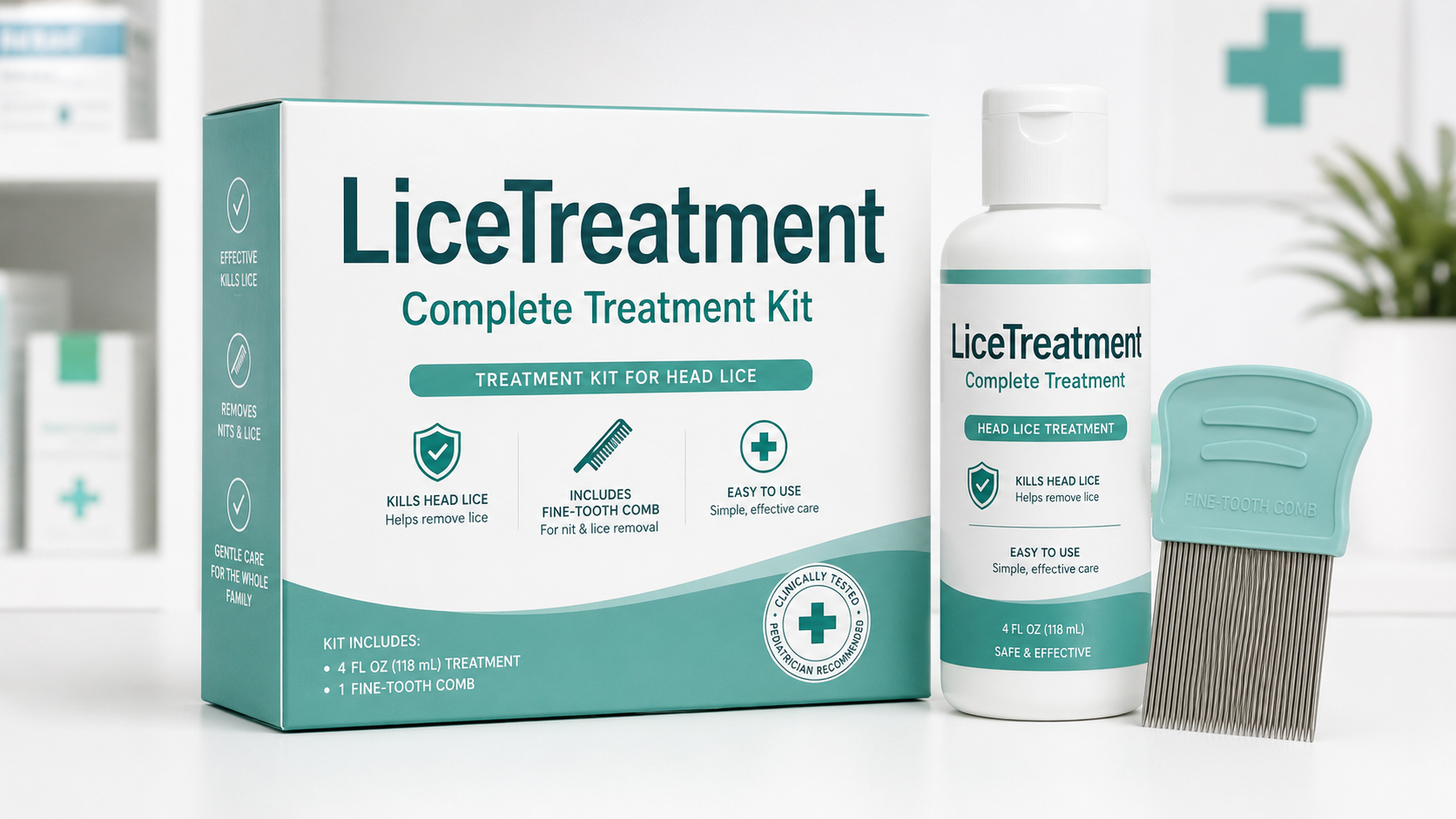
Standardize the kit and the visit
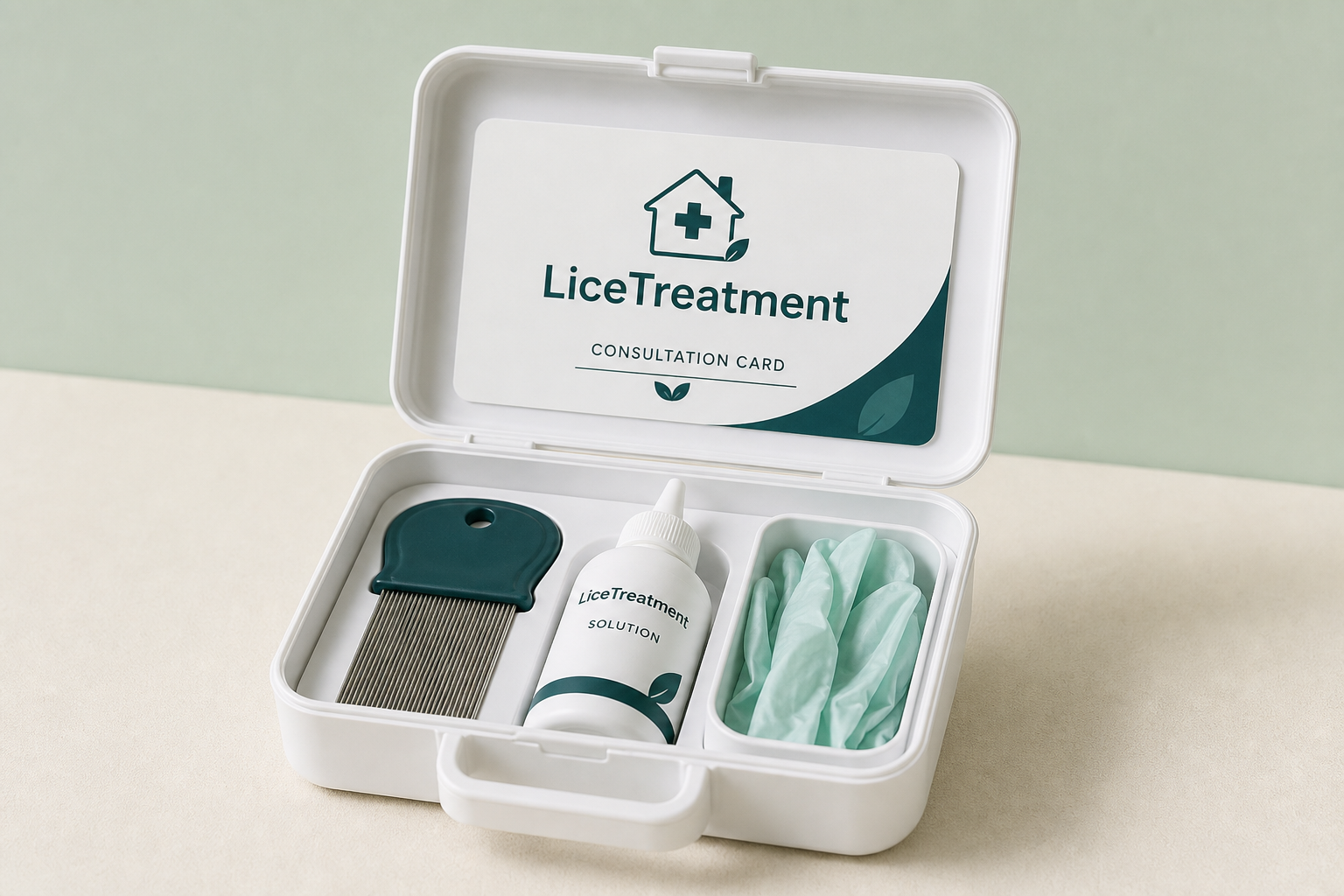
Every practitioner can carry the same organized field kit, with clearly labeled materials, a quality fine-tooth comb, sectioning tools, protective supplies, care instructions, and visit records. Written procedures can cover preparation, equipment handling, communication, documentation, and follow-up. Training can combine supervised practice with regular review so that the service remains consistent as the team grows.
The visit itself benefits from a visible sequence. The practitioner introduces the plan, confirms the household details, completes the booked assessment or service, and explains the agreed follow-up. A concise take-home card can recap dates and resources. The company can publish current educational references from the Centers for Disease Control and Prevention and the American Academy of Pediatrics parent guide alongside its own reviewed service information.
Trust starts before the door opens
The website can introduce practitioner qualifications, screening practices, service boundaries, and the way identity is confirmed on arrival. Customers should receive the practitioner’s name and a recognizable company message before the appointment. Clinical daylight photography, a restrained uniform, a consultation card, and a tidy kit can express professional care without making the experience feel formal or distant.
Privacy belongs in operations as well as presentation. Booking data can be limited to the details needed for service, access can follow staff roles, and household conversations can stay within the care team. Follow-up messages can recap the plan without exposing sensitive detail in a notification preview. These choices create a respectful service that families can recommend with confidence.
Grow through local relationships
Pediatric offices, school nurses, camps, childcare programs, salons, and parent groups often hear the first request for guidance. A home-visit company can introduce its service with a concise scope, clear contact details, and reviewed educational material. Consistent arrival, good communication, and thoughtful follow-up give those local partners a concrete experience to remember when another family asks for a resource.
An initial city can teach the operator which appointment windows work, how far customers will book, which questions appear before a visit, and which partnerships produce well-matched referrals. Expansion can follow proven practitioner training and route density. A new territory then opens with a service playbook, a defined local map, and enough staffing to keep the promise visible on the website.
A direct name for a personal service
LiceTreatment.com makes the category easy to understand while leaving the company room to build a distinctive service culture. The name can appear on booking confirmations, practitioner cards, care materials, and referral resources without an extra explanation. The operator supplies the human qualities behind it: punctuality, skill, privacy, measured guidance, and responsive support.
That combination gives a home-visit company a clear foundation. The MedlinePlus overview can join the service team’s reviewed public resources. The domain brings memorability and category fit. The operating model turns those qualities into a useful household experience. For a founder who understands field services and family care, LiceTreatment can become the front door to a focused local team and, in time, a carefully managed network.

Michael Santiago develops direct category domains and the business ideas they can carry through OnlineBusiness.com.