Head lice guide
How to get rid of lice
A practical, step-by-step guide to confirming head lice, choosing a treatment, and checking that it worked.
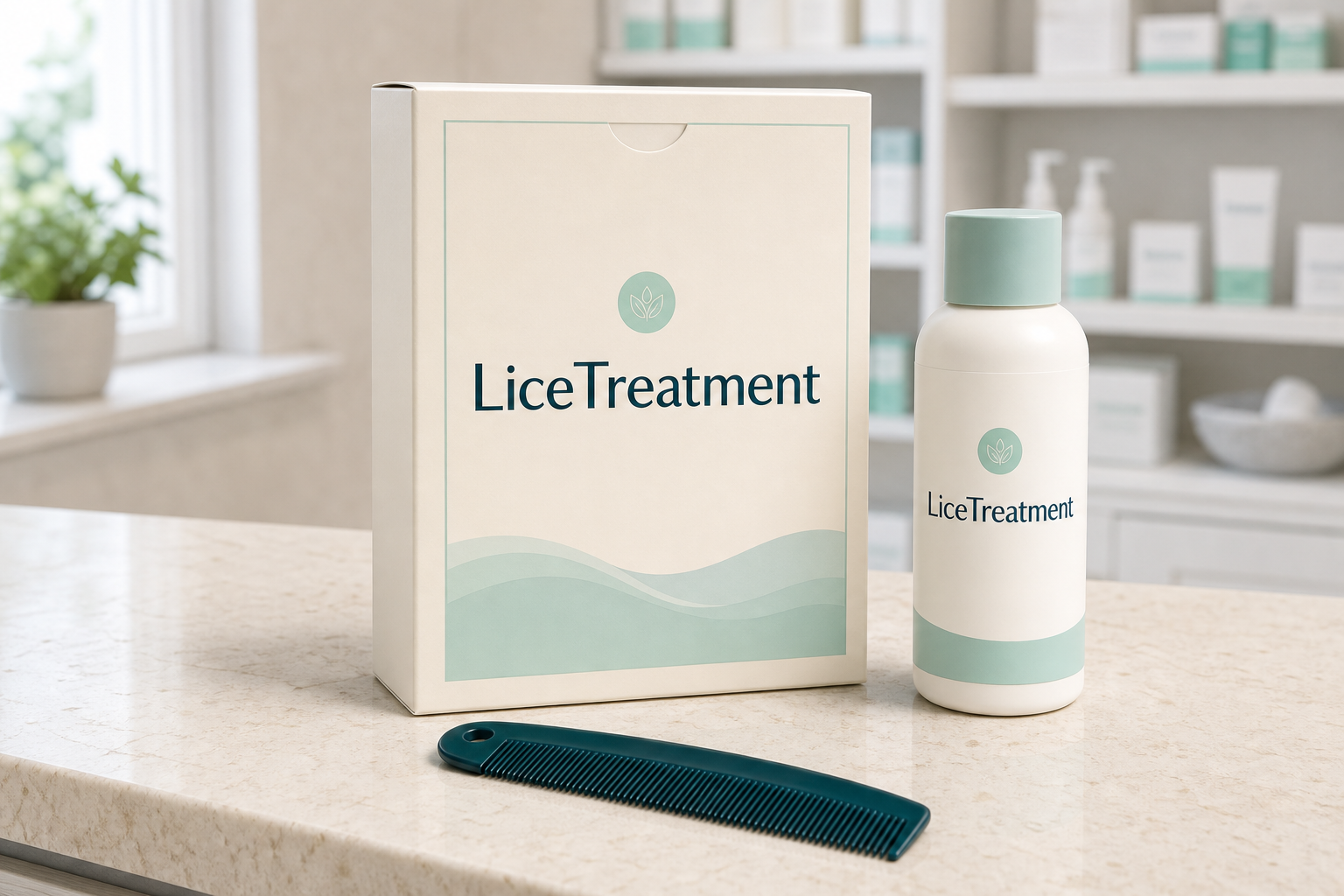
Finding head lice can turn an ordinary evening into a frantic one. The good news is that head lice are treatable, they do not spread disease, and having them is not a sign that anyone is dirty. The most useful first move is to slow down. Confirm what you found, choose one appropriate treatment, follow its directions exactly, and plan to check the hair again.
First, make sure it is really head lice
An itchy scalp alone does not prove an infestation. Dandruff, hair-product residue, and dry skin can all look suspicious. Look in bright light and separate the hair into small sections, paying close attention behind the ears and near the neckline. Adult lice are tiny crawling insects. Nits are eggs attached firmly to a hair shaft and do not brush away like loose flakes.
The CDC overview of head lice explains what lice and nits look like and how they spread. If you cannot tell what you are seeing, a clinician, school nurse, or pharmacist may be able to help. Treating without finding a live louse can expose the scalp to medicine unnecessarily and makes it harder to know whether a later speck is new or was there all along.
Choose an appropriate treatment
Over-the-counter lice medicines are available, and prescription options may be used in some situations. The correct choice depends on age, health history, prior treatment, and local patterns of resistance. Read the label before buying, especially for a young child, pregnancy, breastfeeding, allergies, or a sensitive scalp. The FDA consumer guide gives a plain-language overview of approved products and safe use.
Do not combine lice medicines or use extra product in hopes that more will work faster. Do not use a pesticide spray in the home. Follow the product directions for how much to apply, how long it stays on, whether hair should be wet or dry, and when normal shampooing can resume. The CDC treatment instructions also note that some medicines require a second application because they do not kill every unhatched egg.
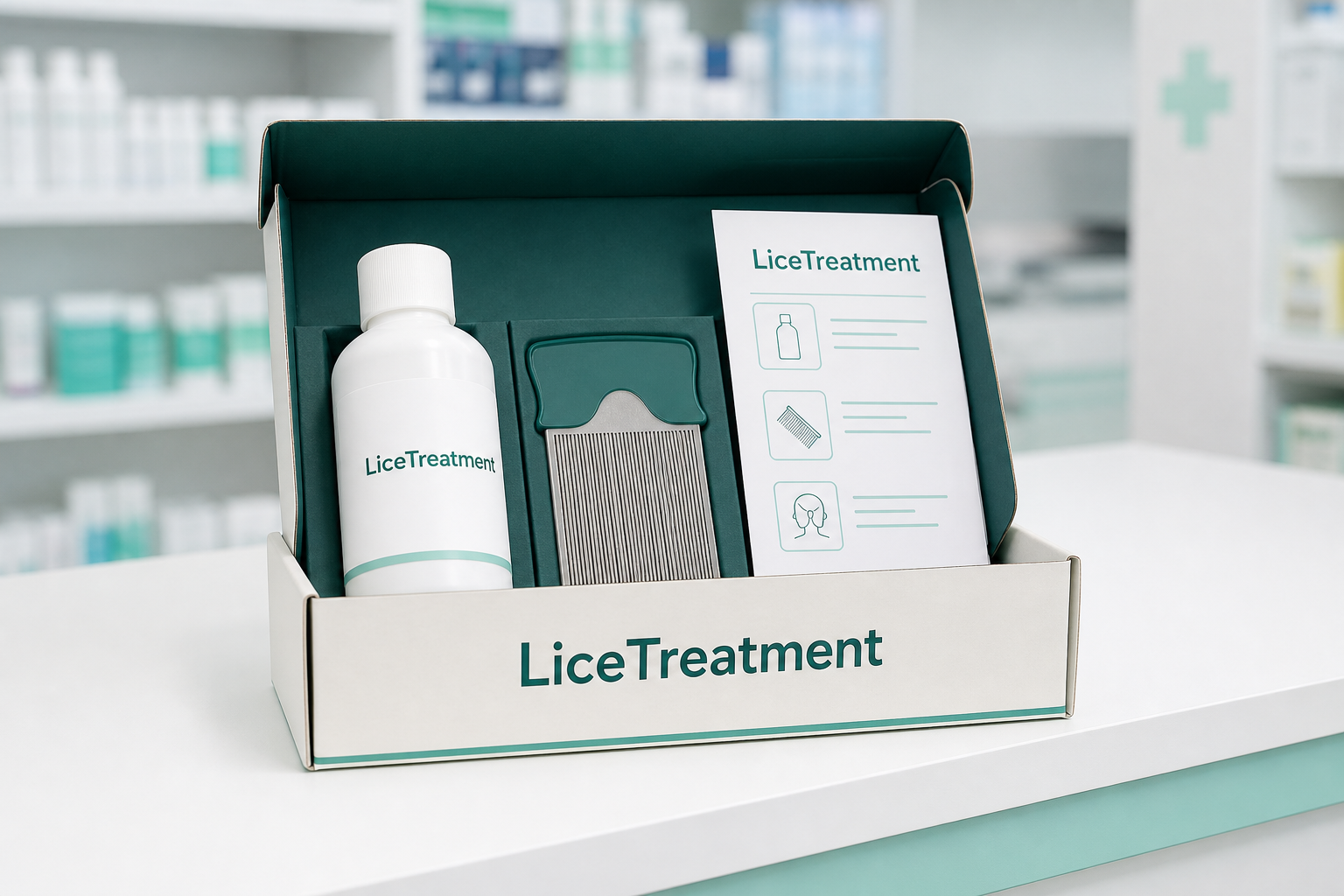
Comb carefully and keep checking
A fine-tooth lice comb can remove lice and nits and help you see what is happening. Work under good light. Divide damp or label-directed hair into manageable sections, comb from close to the scalp through the ends, and wipe the comb after each pass. Clips can keep finished sections separate. This takes patience, particularly with long or thick hair, but a simple system prevents repeatedly combing the same area while missing another.
After treatment, check the hair every two or three days for roughly two to three weeks. A few slow-moving lice shortly after some treatments do not always mean failure, but lice that remain as active as before deserve attention. The Mayo Clinic treatment guide describes medication and combing options and when professional advice makes sense.
Keep a short written record as you go. Note the product and active ingredient, the time it was applied and rinsed, what you found while combing, and the date of any label-directed repeat dose. If lice show up again, those notes help you avoid accidentally repeating an ingredient too soon. They also give a pharmacist or clinician something concrete to review. Take a clear photo of the package label before throwing it away, and keep the comb in a dedicated, easy-to-find place for follow-up checks.
Handle the household without turning it upside down
Check people who share a home or bed with the affected person. Follow current medical guidance about who should be treated rather than automatically treating everyone. Avoid head-to-head contact and do not share combs, brushes, hats, towels, or pillows while you are working through the infestation.
Cleaning should focus on items that recently touched the head. Wash and dry bedding, towels, and clothing as directed by public health guidance. Soak combs and brushes in hot water if their materials allow it. Vacuum places where the person sat or lay. Lice survive poorly away from a human scalp, so extensive fumigation, throwing out furniture, and exhausting whole-house cleaning are not needed.
At school, camp, or child care, share the finding privately with the appropriate staff member and ask about the current policy. Avoid blaming another family or trying to identify where the lice began. Because symptoms can take time to appear, the source is often impossible to know. A neutral notice gives other families a chance to check while protecting everyone’s dignity.
Know when to call a clinician
Ask a health professional before treating a very young child or anyone with a condition that complicates product use. Get advice if the scalp is infected from scratching, the diagnosis is uncertain, lice remain active after correctly completed treatment, or the same product has already failed. A clinician can confirm the problem and discuss another approved option rather than repeating an ineffective medicine.
Getting rid of lice is less about one dramatic step than a short, careful process. Confirm live lice, use one suitable treatment exactly as labeled, comb methodically, perform the recommended repeat treatment if needed, and keep checking. That routine is usually far more useful than panic, improvised mixtures, or cleaning every object in sight.

Michael Santiago develops premium domain names and the companies behind them through OnlineBusiness.com. He founded i-newswire.com in 2007, later iNewswire.com, and helped build Newswire.com. The business sold in 2022 for $44 million. Brand, PR, and SEO work now runs through GoPR.com, with Signage.com as a live category case.