Idea 03 · A direction for LiceTreatment.com
A school desk
A parent-facing protocol brand that helps school nurses communicate clearly, consistently, and with care.
A clear protocol between school and home
The hardest part of a school lice event is often communication. A nurse needs to share accurate information without creating panic or singling out a child. Administrators want consistent procedures. Parents need to understand what was observed, what to do next, and when to follow up. LiceTreatment can become the plain-language service that organizes that handoff. The brand sounds like the subject of the message, so families know why they are receiving it before they open another portal or document.
This idea is not a clinic squeezed into a school. It is a protocol and information system designed around the school nurse’s actual desk. A participating school could receive configurable parent letters, private case documentation, staff reference sheets, translated materials, and a secure way to direct families to appropriate next steps. The product should help schools apply their chosen policy consistently while preserving dignity and keeping sensitive details limited to the people who need them.
For parents, LiceTreatment.com could provide a calm landing page keyed to the school’s materials. It can explain basic identification, common routes of spread, available care options, and questions to ask a health professional. Content should be reviewed, dated, and written for reading under pressure. The site can offer language choices and accessible formats so more households can act on the same information without relying on rumors in a group chat.
Make the nurse’s work lighter
A credible product begins with listening to school nurses. Their constraints vary by district, age group, staffing, and local policy. Some need better templates. Others need a simple workflow for documenting a check and scheduling a follow-up. Many need a reliable resource they can share without rewriting guidance each time. Product discovery should identify which tasks are repeated, which require judgment, and which records must stay inside the school’s existing systems.
The service can then remain deliberately modest. A dashboard might organize approved templates by grade and language, record when a family received materials, and remind authorized staff about a follow-up date. It should avoid collecting information that the service does not truly need. Permissions, retention, security reviews, and vendor agreements must be treated as core product work. School buyers notice when a vendor understands procurement and privacy as well as interface design.
Training is another useful layer. Short sessions can help teachers and front-office staff route questions to the nurse, use respectful language, and avoid improvising medical advice. Nurses could receive concise implementation guides and update notices when an authoritative recommendation changes. The brand should feel like a capable desk partner, not another noisy platform. Success is measured in clearer handoffs, fewer repeated explanations, and families who know what their school is asking them to do.
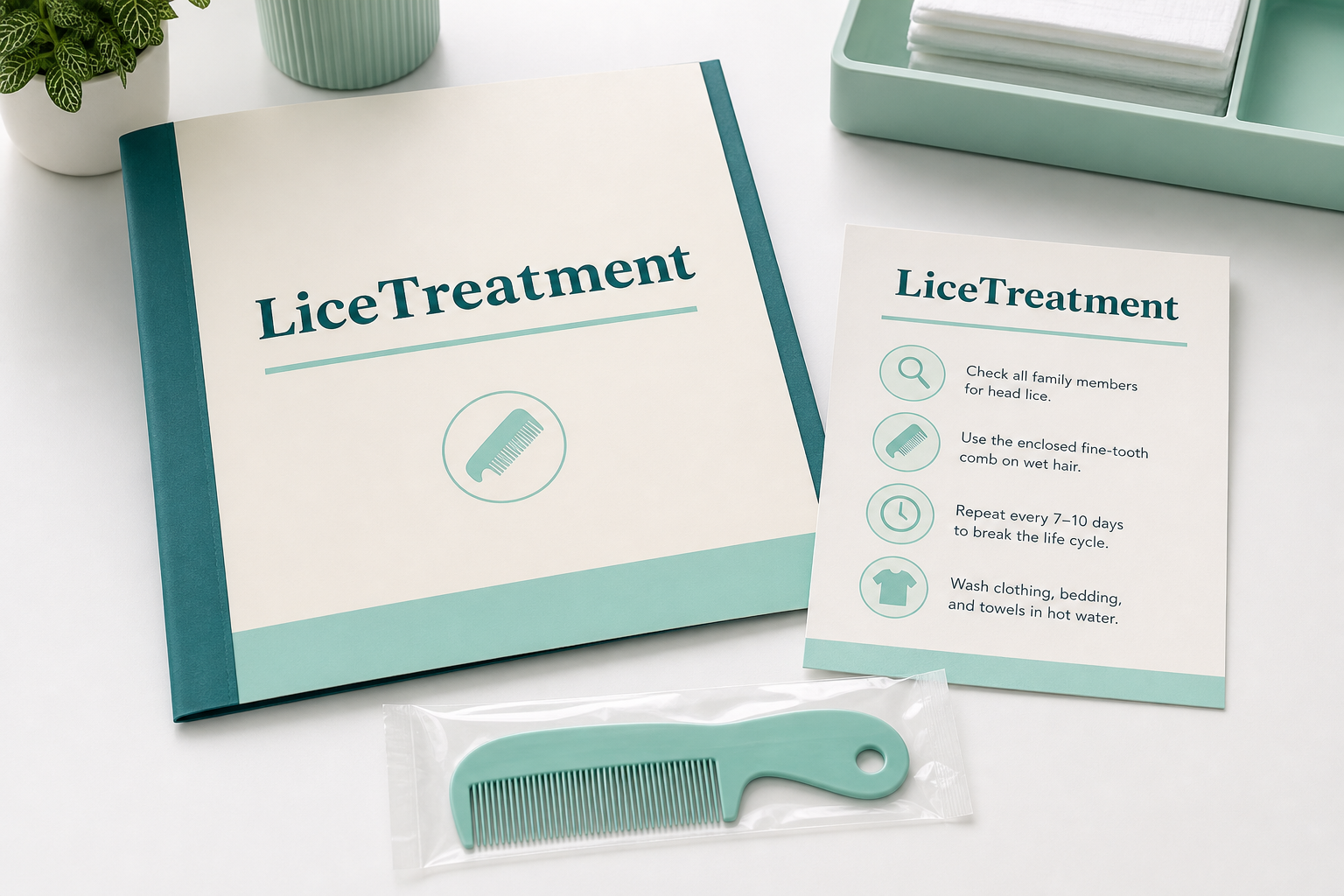
A focused route into districts and family networks
The first customer may be one independent school, camp, childcare group, or small district willing to shape a pilot. A buyer should define the outcome with that partner before building software. Faster preparation of family materials, more consistent follow-up, and fewer policy misunderstandings are concrete places to start. The pilot can run with careful service and lightweight tools, revealing what deserves automation only after the process works.
District growth depends on evidence and patience. Procurement calendars are long, stakeholders are numerous, and requirements differ. A strong sales package should include a clear data map, accessibility approach, security documentation, implementation plan, support commitments, and references from comparable organizations. LiceTreatment is useful because it keeps the category obvious across a proposal, training deck, parent handout, and help center. The buyer still has to prove that the service respects the school environment.
Over time, the same protocol could connect schools with vetted local care resources, standardized product information, or scheduled education sessions. Those extensions should preserve neutrality and make conflicts visible. The central promise remains simple: when a lice concern reaches the school desk, everyone receives clear, respectful, usable information. A founder with school health experience, privacy discipline, and patient customer development could turn LiceTreatment.com into the shared reference that districts are comfortable sending home.
A small advisory group can keep the product honest as it develops. Include working nurses, a district administrator, a privacy specialist, and parents from communities the service hopes to reach. Ask them to review language, workflow, accessibility, and implementation burden at regular intervals. Their role is not ceremonial approval. It is to find assumptions early and make the service easier to adopt. That habit can become a meaningful advantage when larger school systems begin their evaluation.
Useful starting points
CDC head lice information provides a public-health foundation for school and family materials. National Association of School Nurses resources place the topic in the practical context of school health.

Michael Santiago develops premium domain names and the companies behind them through OnlineBusiness.com. He founded i-newswire.com in 2007, later iNewswire.com, and helped build Newswire.com. The business sold in 2022 for $44 million. Brand, PR, and SEO work now runs through GoPR.com, with Signage.com as a live category case.